Compare guide
Same-day event edit vs. standard delivery: when it's worth the premium
A same-day edit is worth the premium when the video has to play or post before the moment passes: a closing session, an awards dinner, tomorrow morning’s sponsor email. If nothing depends on that timing, standard delivery in 5–7 days will give you a better film for less money. Same-day and 24-hour edits are available from us as a premium add-on, quoted per event. Standard event highlight edits start at $1,000.
There’s also a middle option many people miss: if your team just needs footage quickly, raw event footage is delivered the next day, or the same day if you bring a drive.
Same-day, 24-hour and standard compared
| Same-day edit | 24-hour edit | Standard delivery | |
|---|---|---|---|
| Delivered | During or at the end of the event | The day after | 5–7 days |
| Price | Premium add-on, quoted per event | Premium add-on, quoted per event | Highlight edit from $1,000 |
| Editor | May need to be on site | Often remote | Remote |
| Client review | Very limited | Limited | Built in |
| Polish | Good, not perfect | Good | Best |
| Best for | Playing to the room | Next-morning emails and social | Event pages, next year’s marketing |
When same-day is worth it
You’ll show it to the same room. A recap on the big screen at the closing session is one of the best moments in event video. People see themselves, and it gives the event a real ending. Nothing else delivers that.
A sponsor or stakeholder has been promised it. If “same-day recap” is in a sponsor package, it’s a contract item.
The news value drops fast. A product launch or a major announcement gets most of its attention early. A recap a week later misses the conversation.
Your multi-day event needs momentum. A day-one recap can pull people into day two and give your social team something to post that evening.
When standard delivery is the better buy
The film is for your event page. If its job is selling next year’s event, it’ll be watched for a year. An extra week is nothing, and that polish pays off. The highlight we made for Informa Connect is the film on the Access USA event page, delivered within seven days.
Approvals are involved. If legal, communications or a client has to review the edit, same-day timing can’t work. A rushed approval is the most common reason a same-day plan falls apart.
The content is complicated. Interviews with several speakers, or a story that has to be built carefully, take time to structure.
The budget is tight. The premium could pay for vertical cuts instead, which start at $350 each, and they may well go further.
What a same-day edit actually takes
It helps to see why it costs more. On a standard job, the camera operator films, and an editor starts later with all the footage in hand. On a same-day job the two happen at once.
That usually means:
- An editor working during the event, often on site, with a laptop and a place to work
- A shot list agreed in advance, because there’s no time to hunt through footage
- A cutoff time. Whatever happens after it won’t be in the film
- A pre-built template, with titles, logo, music and color decided before the event
- One person who can approve, on site and available at the agreed time
- A plan for playback. Test the file on the venue’s screens with the AV team
If that sounds like a lot to organize, it is. The biggest risk is a late agenda change, because a slipped keynote pushes the edit into the cutoff.
How to decide
Ask three questions:
- Where will it be seen, and when? Name the exact moment. If you can’t, you probably don’t need same-day.
- Who approves it, and are they available? If approval takes a day, buy a 24-hour edit at most.
- What happens if it’s a day late? If the answer is “nothing much,” choose standard delivery.
The best of both
You don’t have to choose only one. Many events benefit from a short same-day or 24-hour social cut, followed by a polished highlight film in the standard window. The fast version catches the moment; the slower one does the long-term selling. Since both come from the same footage, a lot of the shooting is shared. Planning both from the start is simpler than adding the second one later.
If your main concern is getting people to watch while the event’s still running, consider whether what you really need is a live stream. Our comparison of live streaming vs. recording a conference can help, and YouTube’s own help pages on live streaming cover what a channel needs first.
If captions matter for your audience, and they should for anything posted to social, add them to the plan. The W3C captions guide is a good reference, and ADA.gov’s web guidance covers why accessibility matters for organizations. Fast timelines are a common reason captions get skipped, so name them in the brief.
The short version
Pay the premium when timing is the whole point. Choose standard delivery when the film has to last. See event video coverage for what’s included, and tell us the moment you’re aiming for.
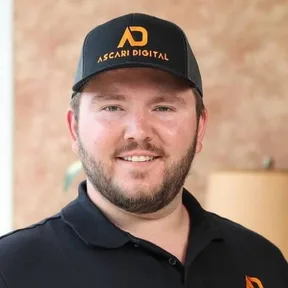
Brandon Ascari
Founder of Ascari Digital, a video production company in Cherry Hill, New Jersey. Brandon holds an MFA, has more than ten years in production, and taught video production at Seton Hall University. His crew produces for Google, Sony and Informa Connect and runs its own YouTube channels.